Freelancing vs Full-Time Job in India (2026): The Honest Income Comparison
Freelancing vs a full-time job in India with every cost counted: in-hand salary vs real freelance income, the 44ADA tax flip, five-year trajectories and the hybrid switch plan.


“Should I quit my job and freelance?” is the most emotionally loaded question in Indian tech, because both camps lie a little. Freelancing influencers show revenue, not income after idle months and self-paid insurance. Corporate loyalists count CTC, not in-hand salary after the deductions you never see. We built the honest comparison instead — same person, same skill, both paths, all costs counted — so you can decide with numbers rather than Instagram screenshots.
First, correct both numbers
What a ₹12 lakh CTC actually pays
A ₹12 LPA package in India typically lands around ₹75,000–82,000 in-hand per month after PF (both contributions are your money but locked), gratuity accrual, professional tax and TDS. The invisible upside: employer PF matching, group health insurance for family (worth ₹15,000–30,000/year if bought privately), paid leave, and — the big one — income that arrives whether the month went well or not.
What ₹1 lakh/month freelance revenue actually pays
From ₹1,00,000 monthly billings, subtract: platform fees 10–20% if marketplace-sourced (see the exact math in our Upwork vs Fiverr fee breakdown), payment/forex costs 1–4% on foreign money (minimised using our payment methods guide), self-bought health insurance (~₹2,000/month for decent family cover), equipment and software (~₹2,500/month amortised), and zero-revenue days — sick leave, festivals, client gaps. A realistic in-hand equivalent: ₹70,000–80,000. Remarkably similar to the ₹12 LPA job…
…until tax flips the table
Here is the asymmetry nobody prices in: the salaried person pays tax on nearly all of ₹12 lakh. The freelancer billing ₹12 lakh declares ₹6 lakh profit under Section 44ADA and pays slab tax on that — often close to nothing under the new regime’s rebate at this level. That difference alone is worth ₹50,000–1,00,000+ a year in the freelancer’s favour. Full worked examples live in our plain-English freelance tax guide.
The comparison beyond money
Where the job wins
Predictability: EMIs and rent do not care that a client ghosted you. Loans: banks still prefer salary slips; freelancers need 2–3 years of ITRs for the same home loan. Structured growth: promotions, mentorship and team scale exist by default. Switching cost: a job gap is easier to explain than a failed freelance year.
Where freelancing wins
Income ceiling: a salary grows 8–15% a year; freelance rates can double in a year of good positioning (the ceilings per skill are in our highest paying skills guide). Geography arbitrage: earn US rates, spend Tier-2 Indian costs. Tax efficiency: 44ADA, as above. Optionality: multiple clients means no single point of failure; an employee has exactly one client. Time ownership: real, but usually arrives after year one, not day one.
The five-year view
Salaried ₹12 LPA growing 10% annually reaches roughly ₹19 LPA by year five. A freelancer who survives year one (~₹6–8 lakh), niches down and moves off marketplaces typically bills ₹15–30 lakh by year three–five, with a meaningfully lower tax bill and location freedom — or plateaus at ₹8–10 lakh if they never raise rates. The variance is the honest headline: freelancing widens both tails. Jobs compress them.
The hybrid path most people should actually take
Quitting cold is romantic and statistically terrible. The boring, high-success route:
Months 1–6 (employed): build the skill and portfolio nights/weekends — the exact sprint is in our no-experience starter plan. Check your employment contract’s moonlighting clause first.
Months 6–12 (employed): reach ₹30,000–50,000/month side income with 2–3 repeat clients.
The switch trigger: jump only when side income ≥ 60–70% of in-hand salary for three consecutive months and you hold 6 months of expenses in savings.
After the jump: the hours you reclaim from commuting and meetings usually double freelance capacity within a quarter.
Students get this optionality for free — building client income before the first job offer even arrives changes the negotiation entirely (see the student freelancing roadmap). And for those whose real goal is remote-job salaries with freelance-style freedom, remote tech jobs from India are the third door in this debate.
Frequently asked questions
Is freelancing more profitable than a job in India?
At equal skill and effort, usually yes after 18–24 months — mainly due to 44ADA tax treatment and international rates. In months 1–12, the job almost always pays more. The crossover depends on niche and consistency.
How much should I save before quitting to freelance?
Six months of full expenses, minimum, plus health insurance already active. The single biggest predictor of new-freelancer failure is desperation pricing caused by a thin runway.
Can I get a home loan as a freelancer in India?
Yes, but banks want 2–3 years of ITRs showing stable income — another reason to file properly from year one even when tax owed is zero.
Is moonlighting legal in India?
There is no law against it; it is a contract matter. Many IT employment agreements prohibit it, so read yours — and consider disclosed, non-competing side work where policies allow.
Tags:
More from TechLein Editorial Team
View all articles →
How to Set Up a Windows 11 Mobile Hotspot in India
A Windows mobile hotspot lets your laptop share its internet connection with a phone or another nearby device. It can be useful in an Indian hostel with Ethernet access, a home office with a wired connection, or a temporary workspace where you need to connect a second device. The laptop becomes the local access point; […]

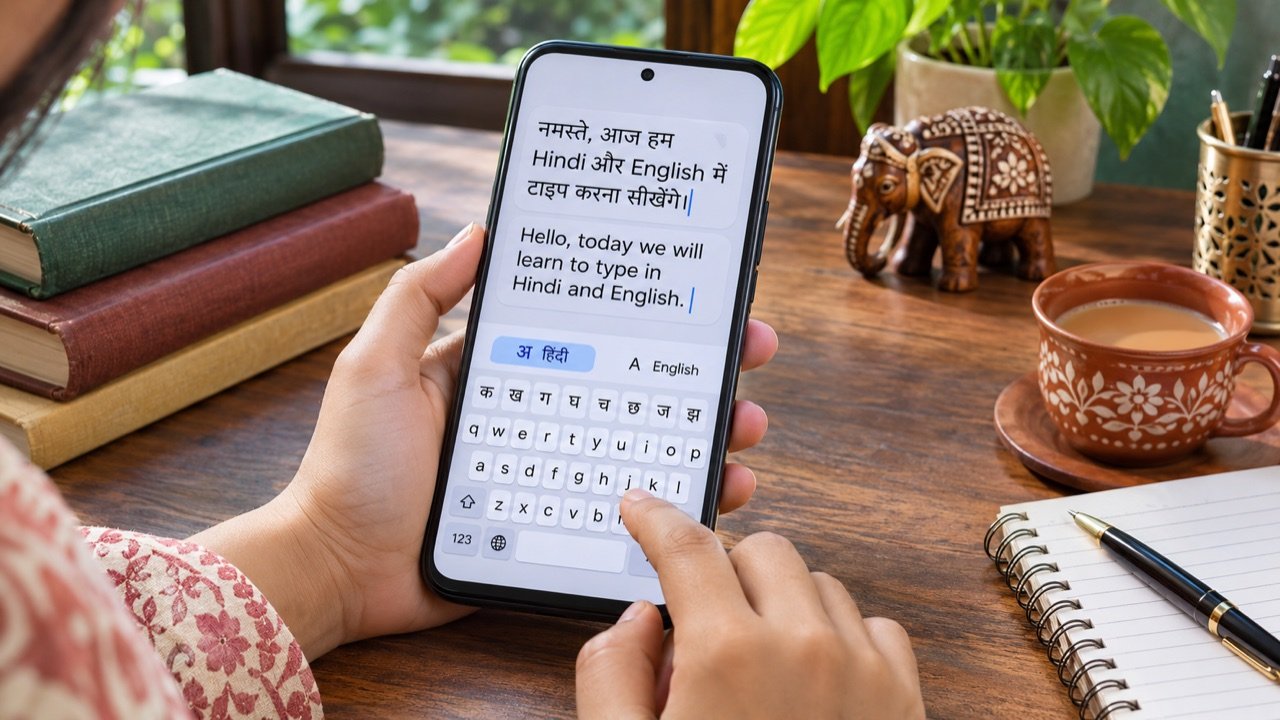
How to Type in Hindi on Android with Gboard: A Practical India Guide
Type Hindi while keeping your phone menus in English To type Hindi on an Android phone with Gboard, open a text field, tap the keyboard’s settings icon, choose Languages → Add keyboard, and select Hindi. Pick the available layout that suits how you want to type, then tap Done. Hold the space bar to switch […]
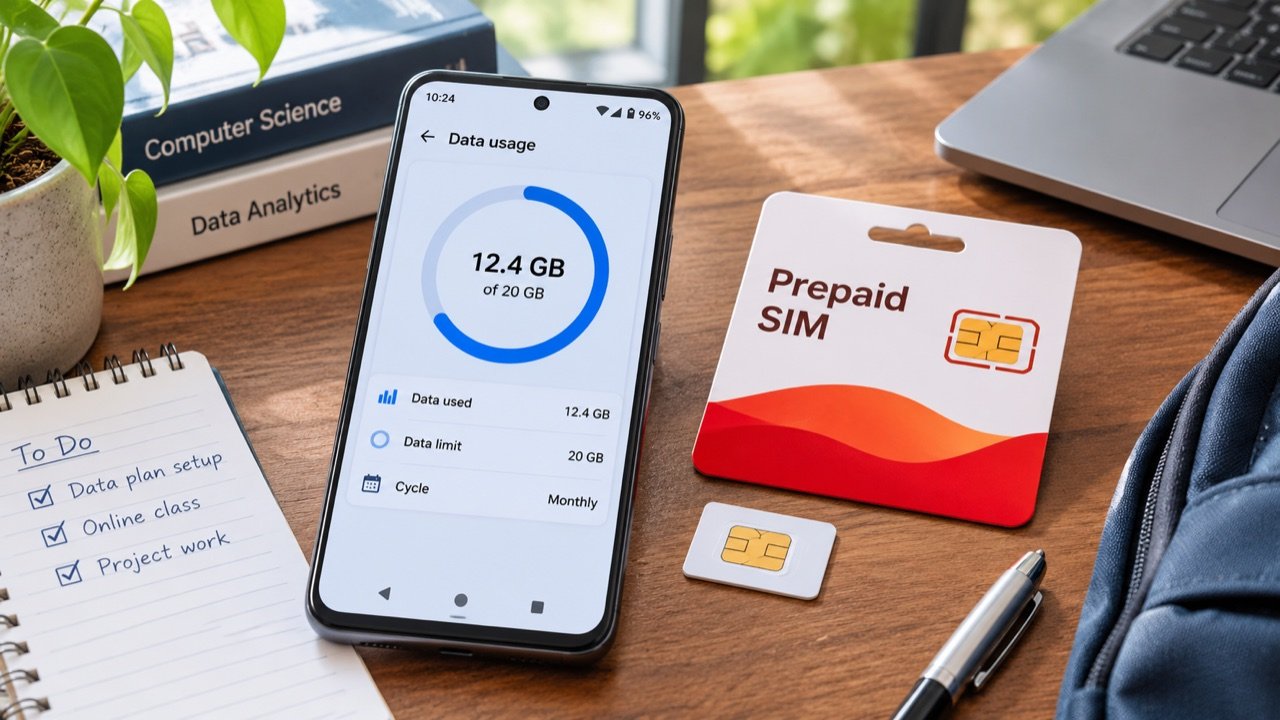
How to Use Android Data Saver in India Without Missing Important Alerts
Make your daily mobile data allowance last longer To reduce mobile data use on an Android phone in India, first check which apps consumed your allowance, then enable Data Saver and adjust the highest-usage apps individually. On phones with Google’s standard Android menus, the setting is under Settings → Network & internet → Data Saver. […]