Internet of Things (IoT): Connecting the World in 2026
Discover how the Internet of Things (IoT) is connecting the world in 2026. Explore smart home technology, IIoT, connectivity protocols, and future trends.

Introduction to the IoT Revolution
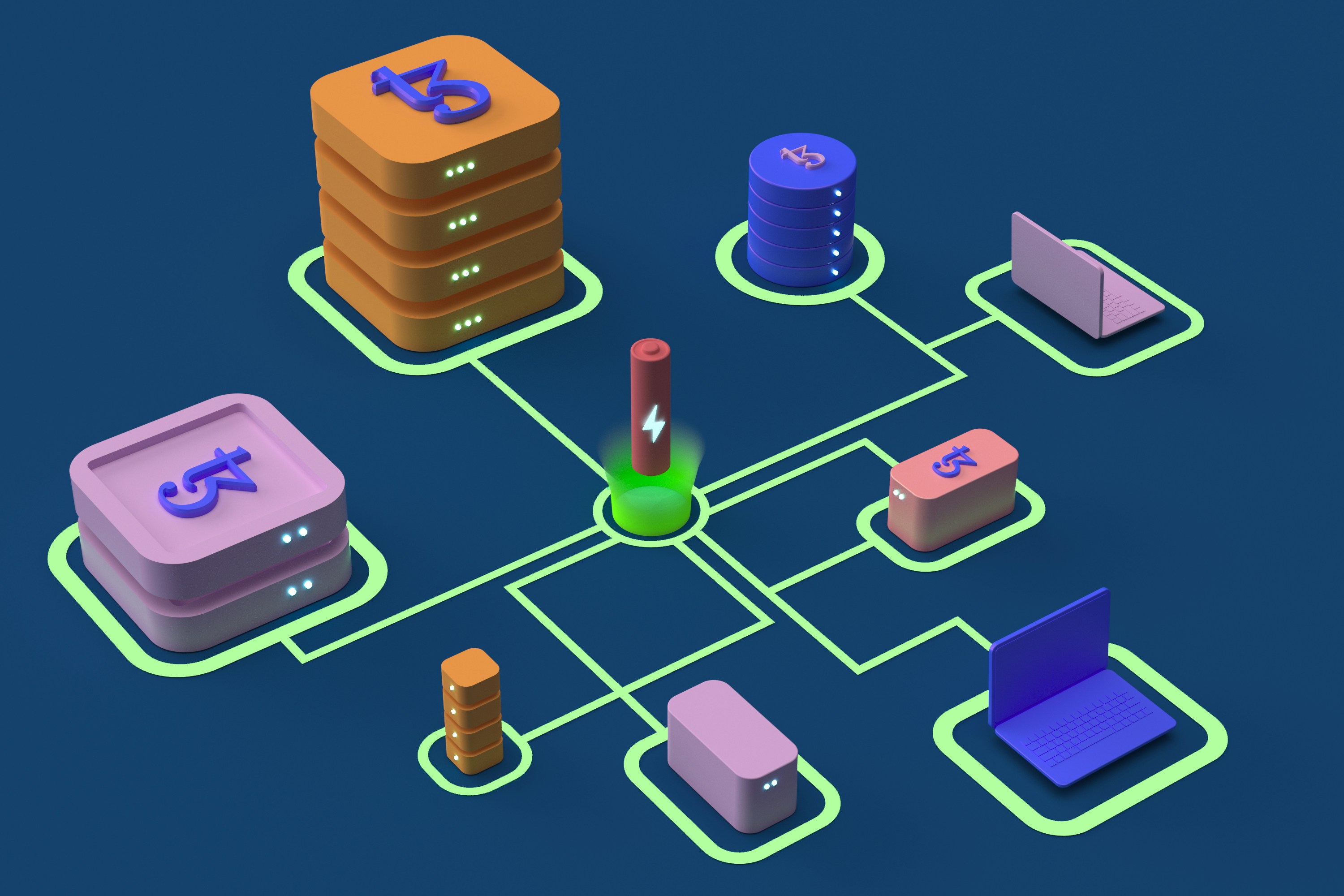
As we navigate through 2026, the internet of things IoT 2026 revolution has completely reshaped the global technological landscape. We have definitively moved past the era of isolated computing; today, billions of deeply integrated connected devices form a massive, invisible nervous system orchestrating our modern world. From highly complex autonomous industrial grids to intuitive smart home ecosystems, the exponential growth of IoT adoption trends is driving unprecedented levels of operational efficiency and deeply impacting daily life. This comprehensive analysis details the profound architectural foundations, highly diverse applications, and massive future potential of the global IoT network.
Understanding IoT Fundamentals and Architecture
The Internet of Things, by definition, is a massively distributed network of physical objects embedded with highly advanced sensors, software, and robust connectivity modules. This deeply complex ecosystem allows devices to continuously collect, exchange, and analyze massive volumes of highly specific environmental and operational data. The foundational architecture relies on a flawless integration between the physical “edge” (the connected devices) and the massive computational power of the centralized cloud. Data collection occurs constantly at the edge, but highly complex machine learning and massive data aggregation are executed seamlessly within the cloud integration layer, creating a highly cohesive, incredibly intelligent operational loop.
Deconstructing Core IoT Technologies
The sheer scale of IoT in 2026 is powered by a diverse array of highly specialized technologies. Advanced, microscopic sensors accurately measure everything from hyper-specific chemical compositions to minute vibrational anomalies. Actuators execute physical commands instantly based on algorithmic triggers. The backbone of this ecosystem is the massive diversity of communication protocols; while traditional WiFi and Bluetooth manage short-range, high-bandwidth consumer devices, highly optimized protocols like Zigbee, LoRaWAN, and NB-IoT provide the incredibly low-power, massive-range connectivity absolutely essential for widespread industrial and agricultural sensors. Furthermore, the massive integration of edge computing and ultra-fast 5G networks ensures that highly complex data is processed with near-zero latency.
The Massive Scope of IoT Applications
The applications of IoT are universally transformative. Smart cities utilize deeply interconnected traffic, energy, and waste management sensors to dynamically optimize massive urban infrastructure instantly. In modern healthcare, highly advanced wearable IoT devices provide continuous, real-time biometric monitoring, alerting physicians instantaneously to critical cardiac anomalies. Massive agricultural operations utilize vast arrays of highly specialized soil moisture and drone-based spectral sensors to execute hyper-precise, highly sustainable crop management. From deeply optimizing massive retail supply chains through meticulous, real-time asset tracking to executing highly precise environmental monitoring for crucial climate research, IoT is the definitive engine of modern operational intelligence.
The Evolution of Smart Home Technology
The consumer iteration of this revolution is the fully realized smart home. In 2026, home automation systems have evolved from simple remote-controlled lightbulbs into highly intelligent, deeply predictive environments. Advanced voice assistants act as the centralized orchestrator, seamlessly managing highly complex security systems, hyper-efficient HVAC energy management grids, and deeply immersive, integrated entertainment zones. The absolute focus is on flawless, cross-platform integration, allowing a single voice command to simultaneously adjust lighting, secure physical perimeters, and optimize localized climate controls, delivering unprecedented levels of security and domestic convenience.
Industrial IoT (IIoT): Revolutionizing Manufacturing
The most massive financial impact of IoT resides within the Industrial IoT (IIoT) sector. Modern manufacturing facilities are entirely digitized, heavily relying on vast sensor arrays for continuous predictive maintenance, instantly detecting microscopic wear patterns and halting machinery precisely before catastrophic, highly expensive failures occur. Deeply integrated supply chain and asset tracking sensors provide absolute, global visibility into complex logistics operations. By executing flawless, automated quality control and drastically optimizing massive factory energy efficiency, IIoT implementations routinely deliver astonishingly high ROI metrics, rendering traditional manufacturing paradigms entirely obsolete.
Mastering IoT Data Management and Analytics
The true value of IoT lies entirely within the data it generates. Managing this unprecedented volume requires incredibly sophisticated data collection and storage architectures, heavily utilizing highly scalable time-series databases. Real-time analytics engines process millions of simultaneous data streams, heavily leveraging advanced machine learning models to identify highly complex, hidden operational patterns. Advanced data visualization dashboards translate this massive data influx into clear, immediately actionable insights, enabling corporate executives to make highly informed, mathematically sound strategic decisions instantly.
Navigating Critical IoT Security Challenges
The massive proliferation of endpoints creates an incredibly vast, highly vulnerable attack surface. IoT security challenges are severe; compromised devices can be weaponized into massive botnets or serve as unprotected gateways into highly secure corporate networks. Ensuring absolute device security requires enforcing strict, hardware-level encryption and implementing incredibly robust authentication protocols. Continuous vulnerability management, mandated automated firmware patching, and strict adherence to zero-trust network security architectures are absolute, uncompromisable best practices for defending highly complex IoT ecosystems against increasingly sophisticated cybersecurity threats.
Evaluating Major IoT Platforms and Services
Orchestrating millions of connected devices requires immense, highly specialized infrastructure. In 2026, enterprise deployments rely heavily on dominant platforms like AWS IoT, Azure IoT, and Google Cloud IoT. A rigorous comparison reveals that AWS provides unparalleled raw scalability, Azure offers incredibly seamless enterprise software integration, and Google excels in deploying highly advanced, deeply integrated AI analytics. IBM Watson IoT remains a powerhouse for deeply complex cognitive computing applications. Selecting the correct platform requires a highly meticulous evaluation of specific operational requirements, data governance needs, and massive scalability projections.
The Complexities of IoT Development
Building highly robust IoT applications requires a deeply multidisciplinary engineering approach. Developers must master highly specific tools and languages, heavily utilizing C and C++ for bare-metal microcontroller programming, while leveraging Python and Node.js for complex cloud-side data analytics. Utilizing advanced, specialized frameworks like FreeRTOS or Zephyr is critical for managing deeply constrained hardware environments. Furthermore, establishing highly rigorous, automated testing protocols, flawless over-the-air (OTA) deployment pipelines, and continuous, deeply granular fleet monitoring are absolute prerequisites for maintaining stability across millions of highly distributed devices.
Analyzing Real-World Case Studies and Metrics
Examining highly successful implementations provides concrete validation of IoT capabilities. Massive smart city projects, like those deployed in Singapore or Barcelona, report staggering 25-30% reductions in massive urban energy consumption. Major industrial manufacturers utilizing predictive IIoT maintenance report massive 40% decreases in catastrophic equipment downtime. In the agricultural sector, highly connected smart farms achieve incredible 20% increases in crop yields while simultaneously reducing crucial water consumption by 30%. These highly tangible metrics definitively prove that IoT is a massive, mission-critical operational asset.
Addressing Massive Challenges and Limitations
Despite massive adoption, profound challenges remain. Achieving seamless interoperability across highly fragmented, fiercely competitive vendor ecosystems is an ongoing struggle. Severe security vulnerabilities persist within cheap, poorly manufactured consumer devices. Managing massive, global scalability while ensuring continuous power for highly remote sensors requires significant engineering breakthroughs. Furthermore, navigating the deeply complex web of global standardization protocols and addressing severe consumer privacy concerns regarding massive data collection remain massive, highly critical adoption barriers.
Anticipating Future Trends and Evolutionary Leaps
Looking toward 2027 and the deeply complex horizon beyond, the future of IoT is incredibly promising. The continued, massive global rollout of ultra-fast 5G will definitively unlock completely real-time, highly complex autonomous systems. Massive integration with profound edge computing and highly generative AI will transform devices from simple data collectors into highly intelligent, entirely autonomous decision-makers. This massive technological convergence will ultimately result in the creation of deeply integrated, highly autonomous global systems operating with unprecedented efficiency.
Conclusion and Strategic Directives
In conclusion, the internet of things IoT 2026 revolution represents the definitive bridge between the physical and digital worlds. By understanding the profound complexities of massive connected devices and strategically implementing robust smart home or massive IIoT architectures, organizations can definitively achieve massive operational supremacy. We strongly recommend immediate, comprehensive audits of your current infrastructure to identify massive IoT optimization opportunities. Explore cutting-edge IoT solutions, advanced architectural strategies, and highly expert engineering insights at Techlein.
Tags:
More from TechLein Editorial Team
View all articles →
FASTag Annual Pass 2026: Price, Eligibility and How to Apply
Everything about the FASTag Annual Pass in 2026: who is eligible, how trips are counted, how to activate it via Rajmarg Yatra and what it does not cover.


ABHA Health ID Card 2026: How to Create and Use Your Digital Health Account
How to create and use an ABHA health ID card in 2026: Aadhaar and driving licence routes, ABHA address, linking records and consent-based sharing.

How to Compare Mobile Recharge Plans in India (2026 Value-for-Money Guide)
How to compare mobile recharge plans in India using cost per GB and cost per day, daily-limit versus total-data packs, OTT bundles and unlimited-call fine print.